A Farm From Jávrebainjárga (2)
Cowshed (no.3)
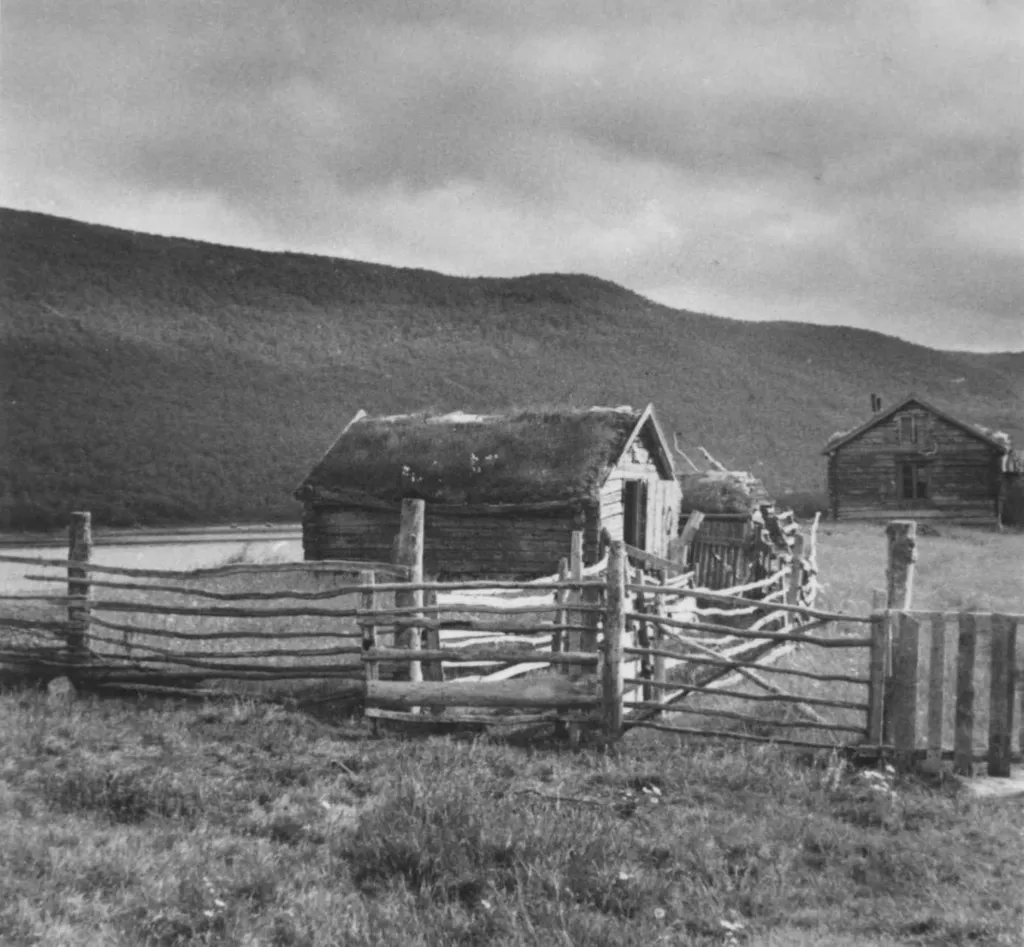
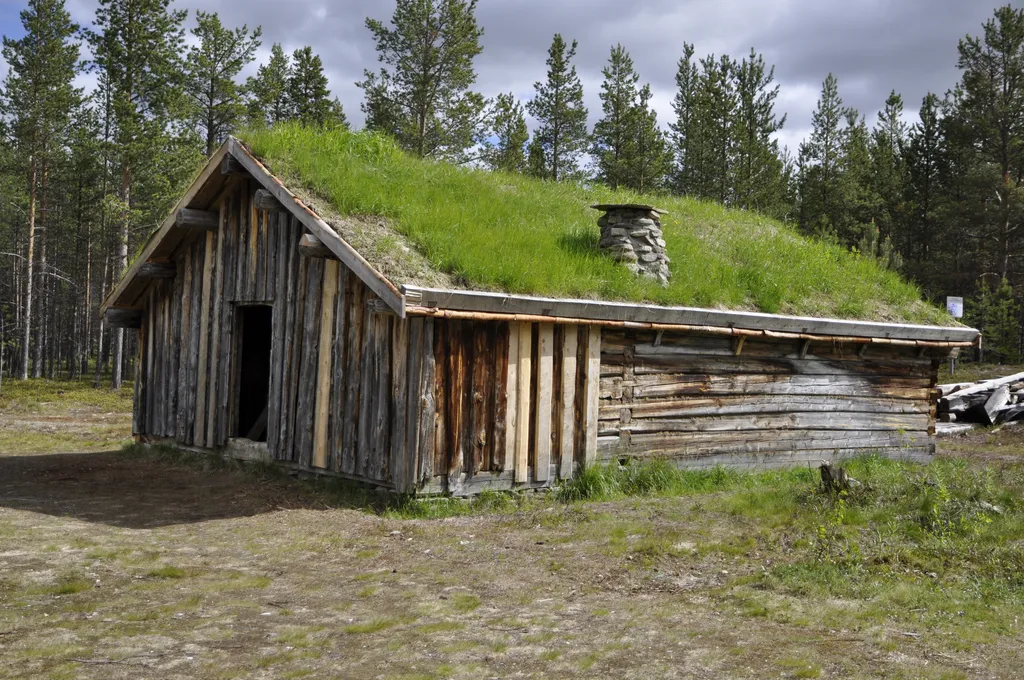
The cowshed is part of the Jávrebainjárga farm complex. It was for keeping cows and sheep. The floor of the cowshed was made with flat stones. Inside there was a big pot in which food for the farm animals was cooked. The heat of the pot also kept the cowshed warm. The pots ranged in size from 200 to 300 litres.
The hay was put into buckets in front of the cows and on the floor for sheep. The animals were also fed with fodder and lichen. The cowshed always had to have water. Hay was mown both in the farm’s own fields and in clearings elsewhere.
Cow dung in the cowshed was collected with a broom and thrown out through a small hatch (ihkkonráigi) that was built onto the back of the cowshed.
The river valleys of the north are usually fertile and suitable for agriculture. Sámi farmers usually kept just a few domestic animals because they had also other means of livelihood, such as fishing, hunting, gathering and trading.
Verddevuohta – Friendly Trading
Various Sámi communities depended on exchanging goods, food and other commodities with other Sámi communities and families. Reindeer Sámis, Coastal Sámis and Forest Sámis traded fish, reindeer meat, milk, cheese, butter, wool, flour, potatoes, willow grouse and other birds and shoegrass etc. Coastal Sámis would get reindeer meat from reindeer herders and Reindeer Sámis would get fish from Coastal Sámis. This social and economic verddevuohta (friendly arrangement) continues today.
Hay Preserving and Agricultural Work
In 1997 Sámiid Vuorká-Dávvirat documented a traditional method of storing hay. The pictures show Osvald Guttorm and a fully equipped horse with a horse-collar. In the photos Osvald Guttorm is transporting hay to the cowshed. The photos belong to the SVD collection of photographs. The documentation was part of the SVD project called “Hehke geavaheapmi” (the use of a hehkke). The project was documented by museum employee worker Berit Åse Johnsen in the Open-air Museum in 1997.
-
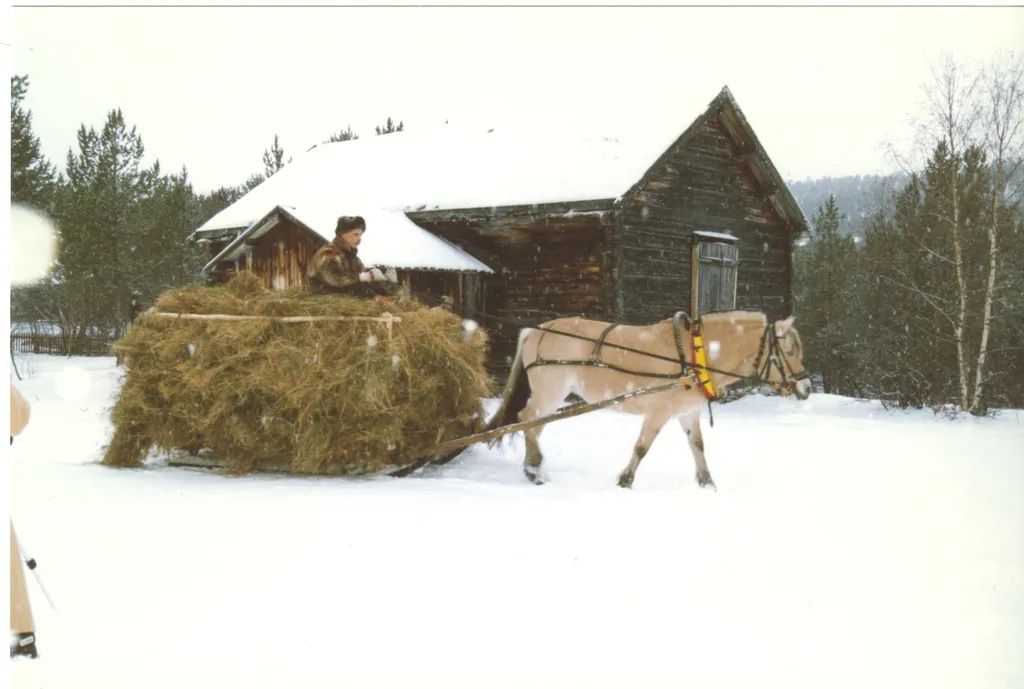
- Osvald Guttorm transporting hay by horse. Photo: Berit Åse Johnsen, SVD 1997
-
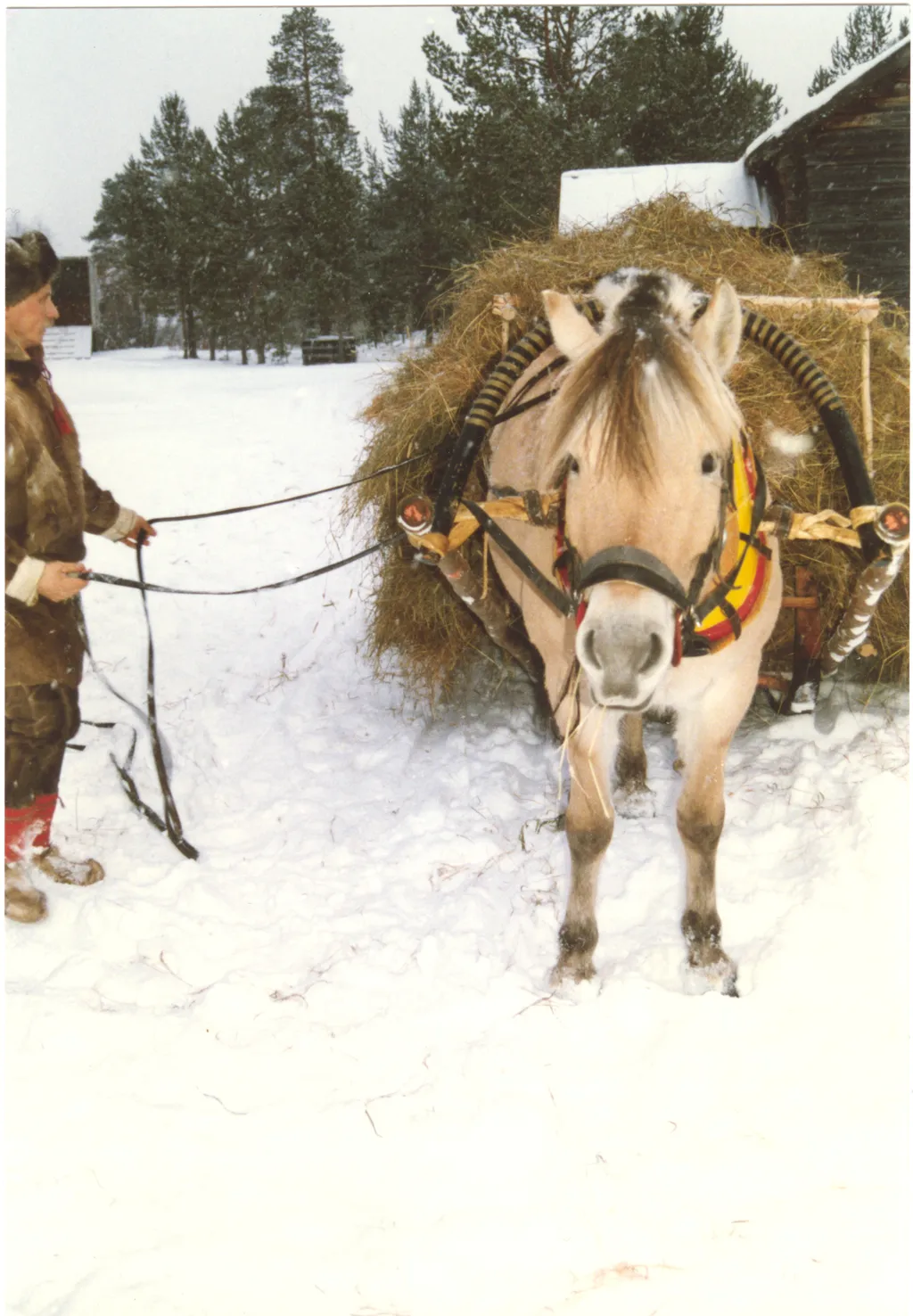
- Osvald Guttorm preparing to unload the cargo. Photo: Berit Åse Johnsen, SVD 1997
-
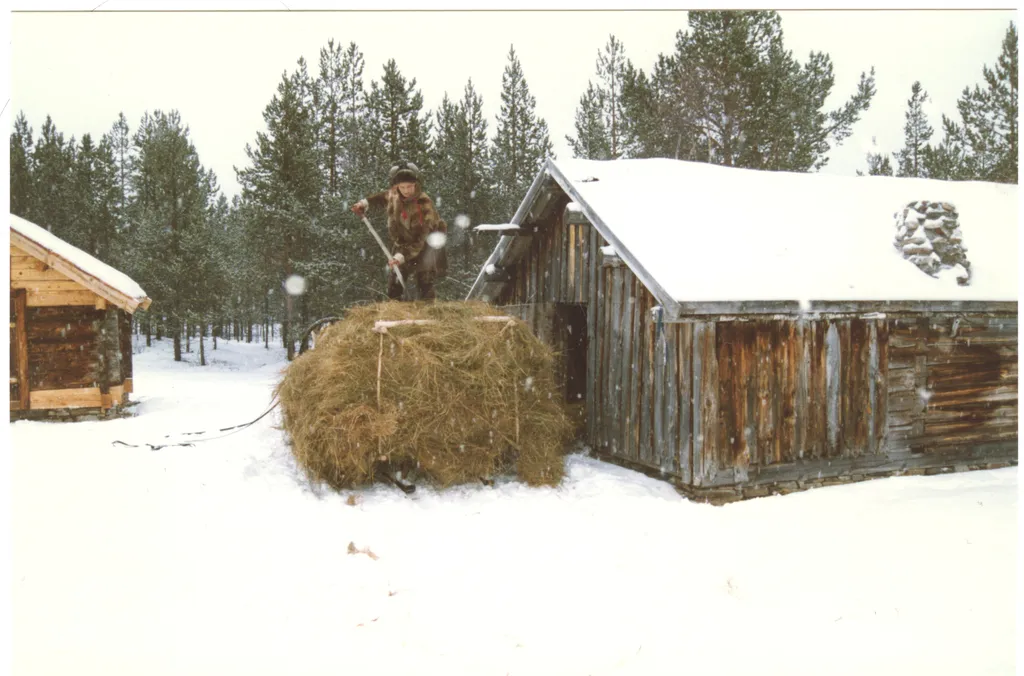
- Osvald Guttorm on top of the hay pile. Photo: Berit Åse Johnsen, SVD 1997
-
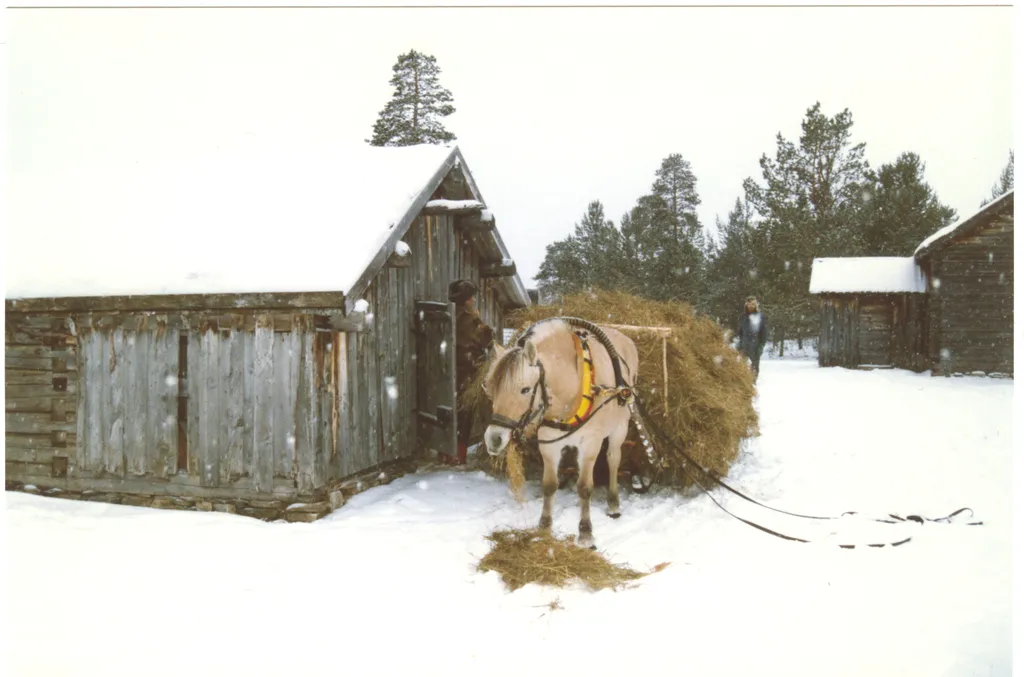
- Osvald Guttorm carrying hay into the cowshed. Photo: Berit Åse Johnsen, SVD 1997
-
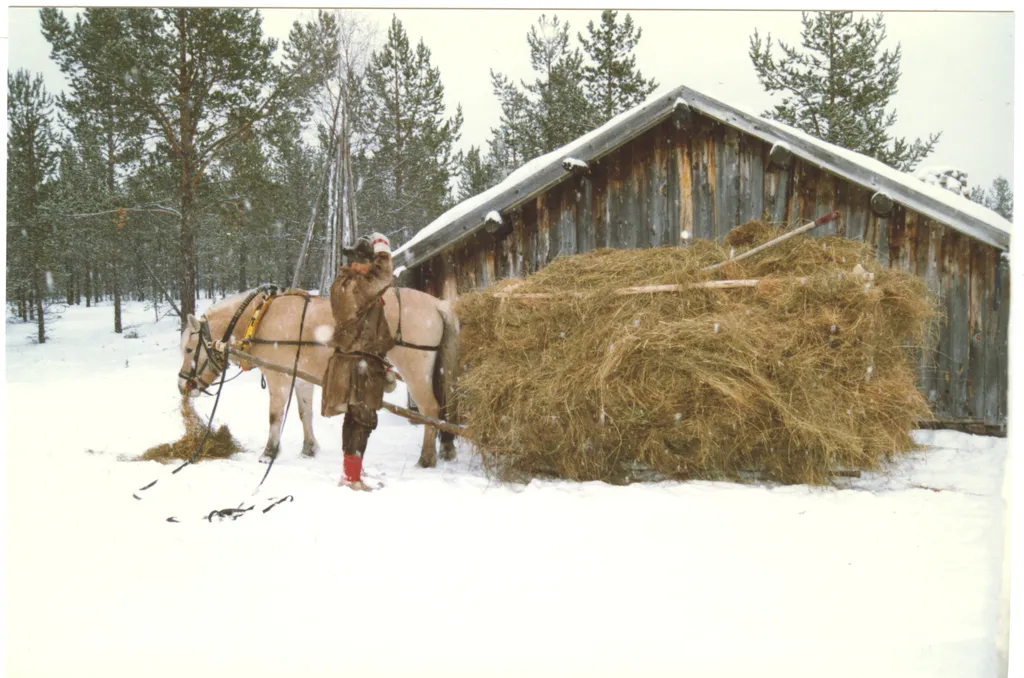
- Osvald Guttorm and a cargo of hay outside the cowshed. Photo: Berit Åse Johnsen, SVD 1997
Listen the Sámi yoik from Karasjok by Per Tor Turi.
Traditional joik by Per Tor Turi from Karasjok, 2019
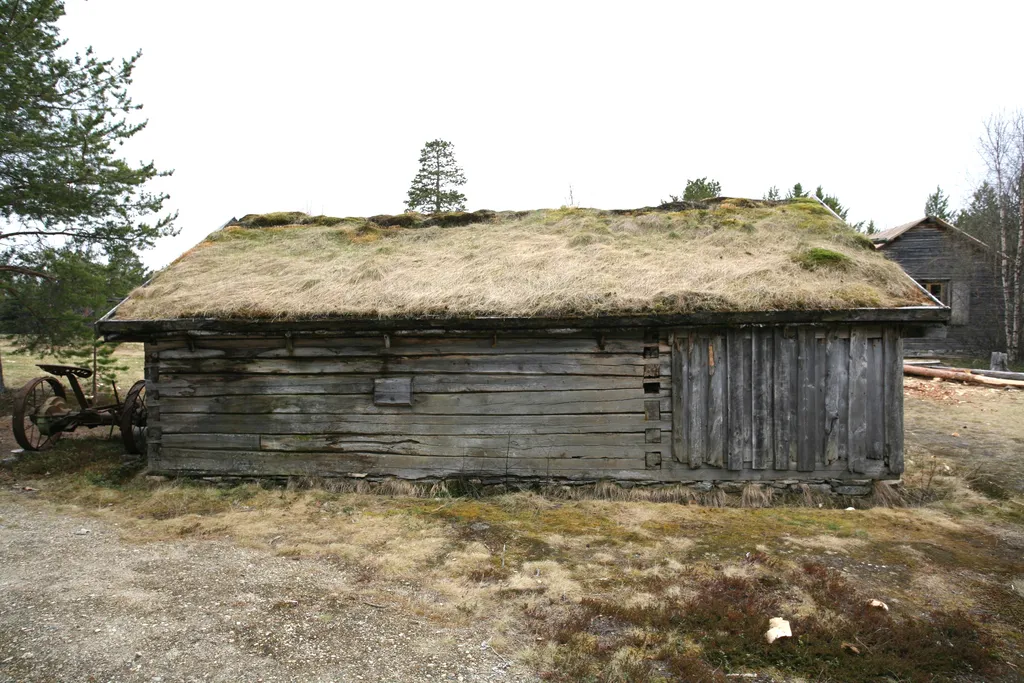
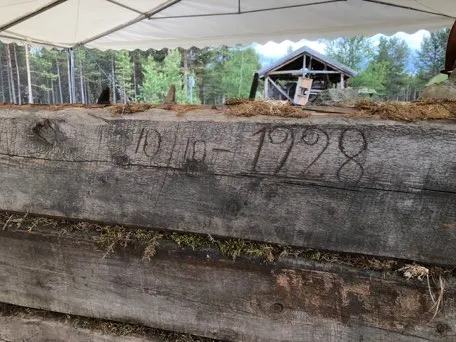
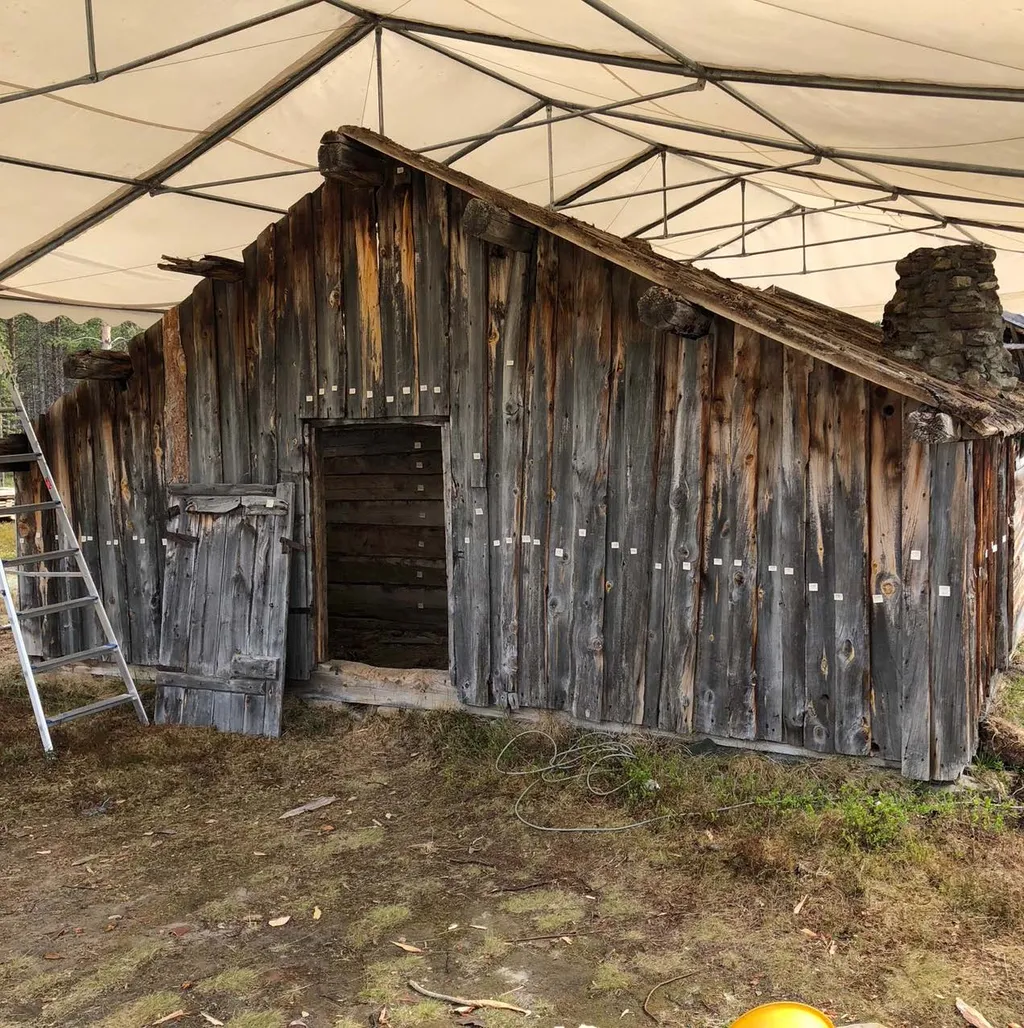
The cowshed was possibly built around 1928. That date is written on one of the logs.
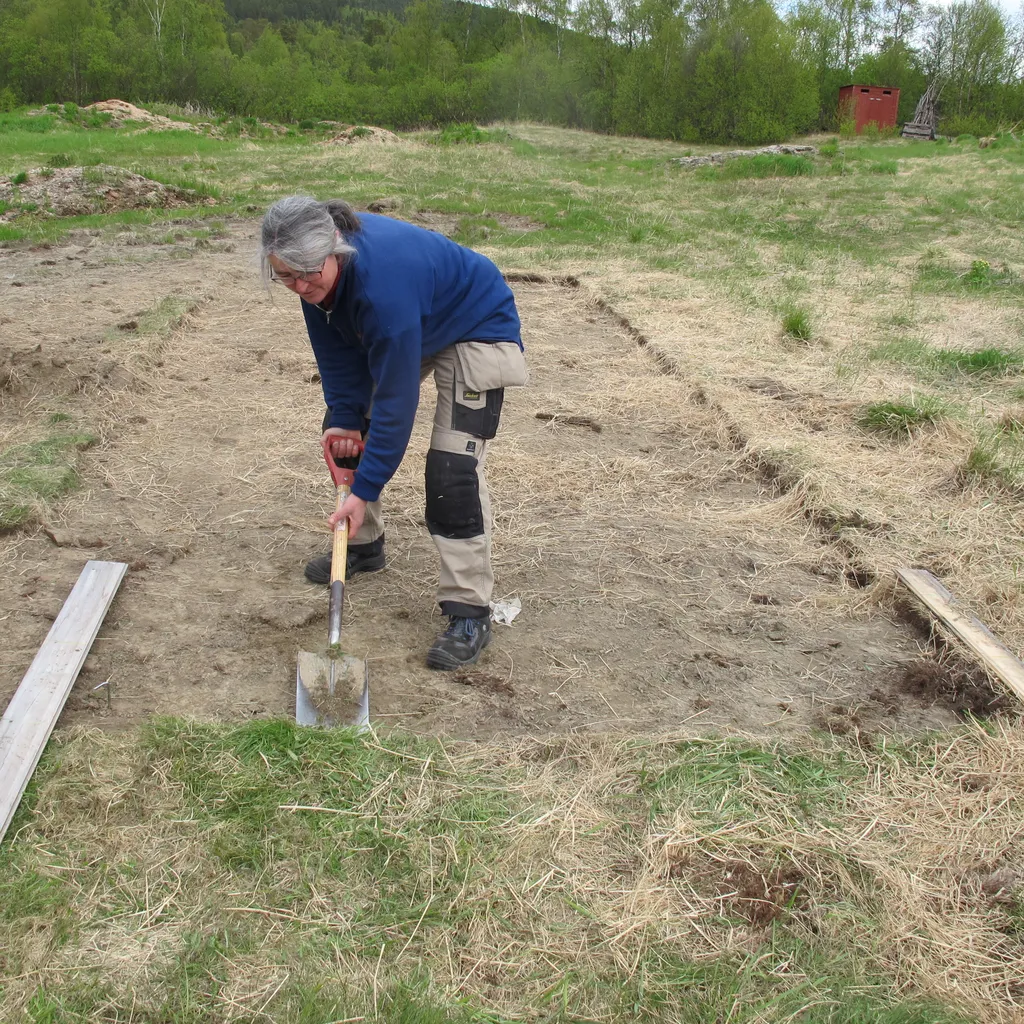
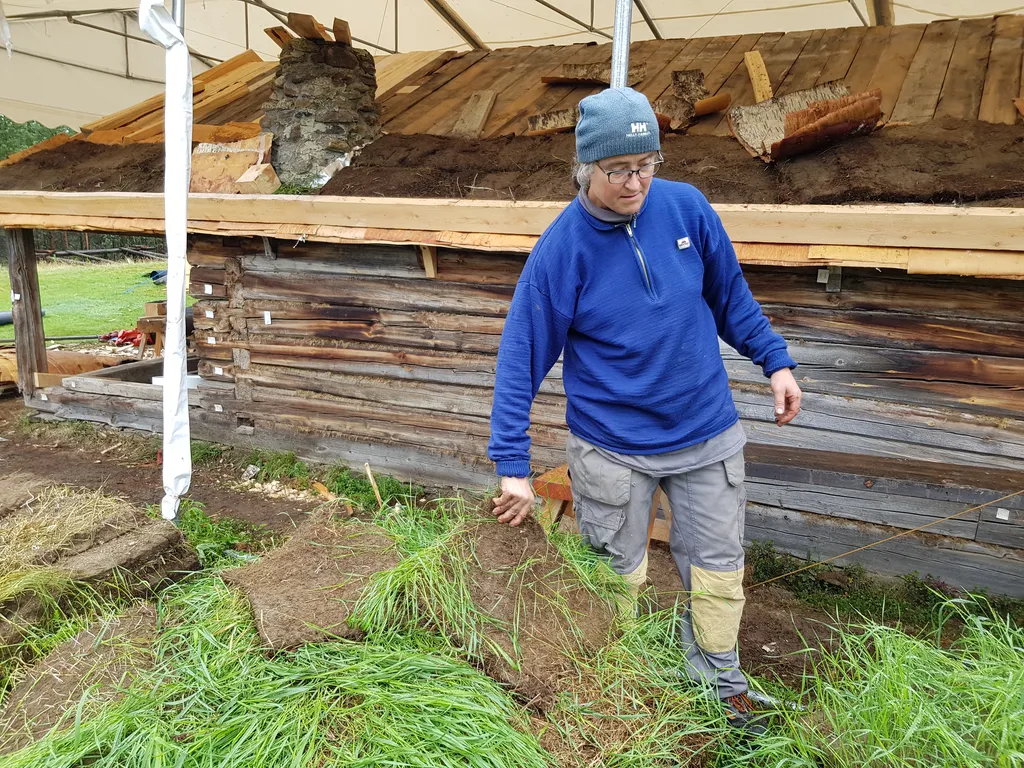
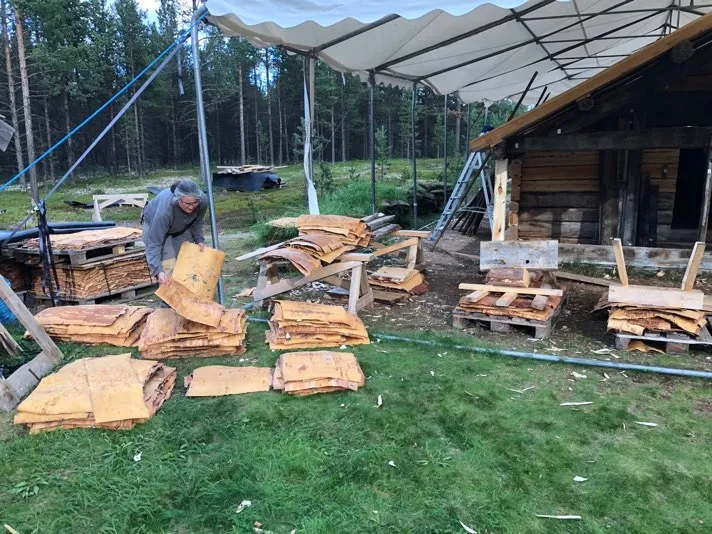
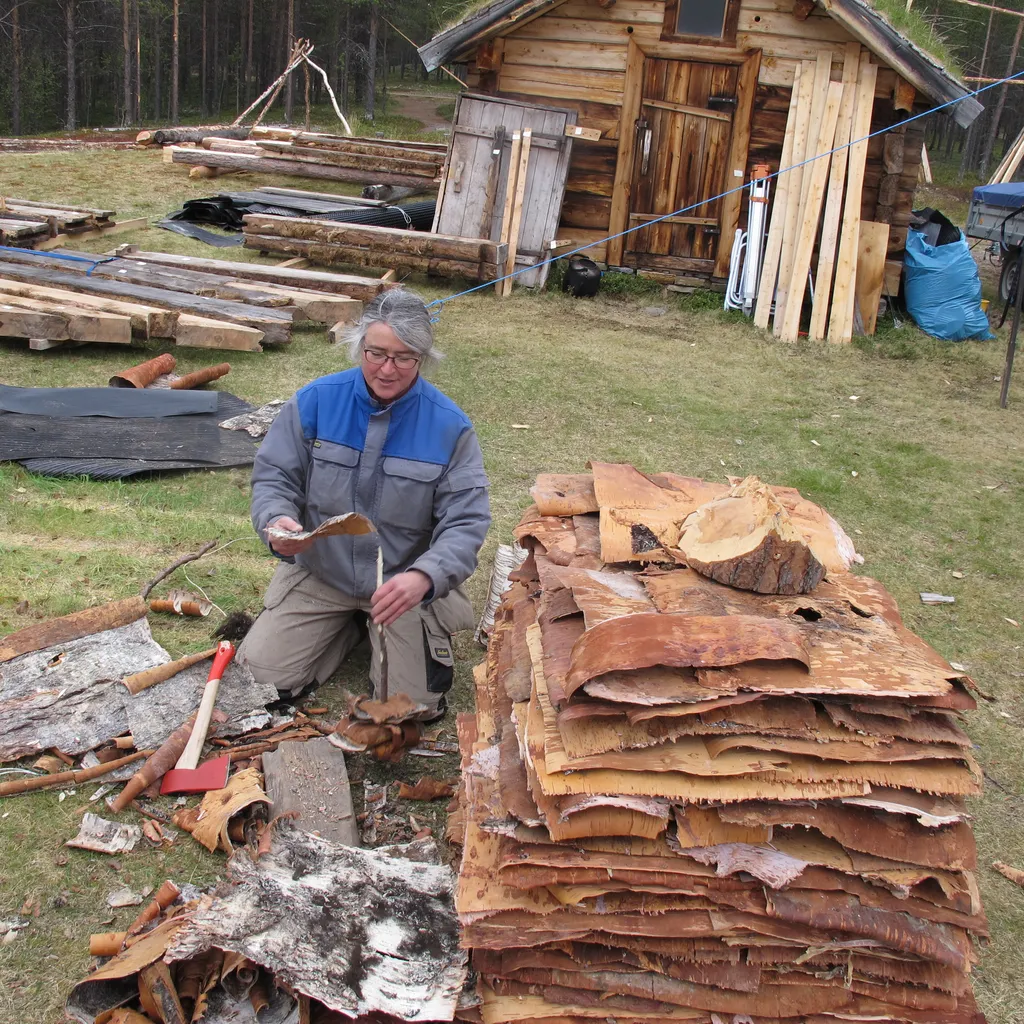
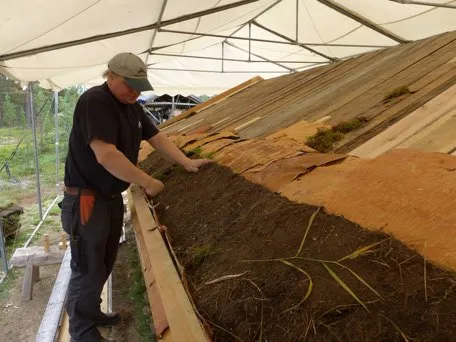
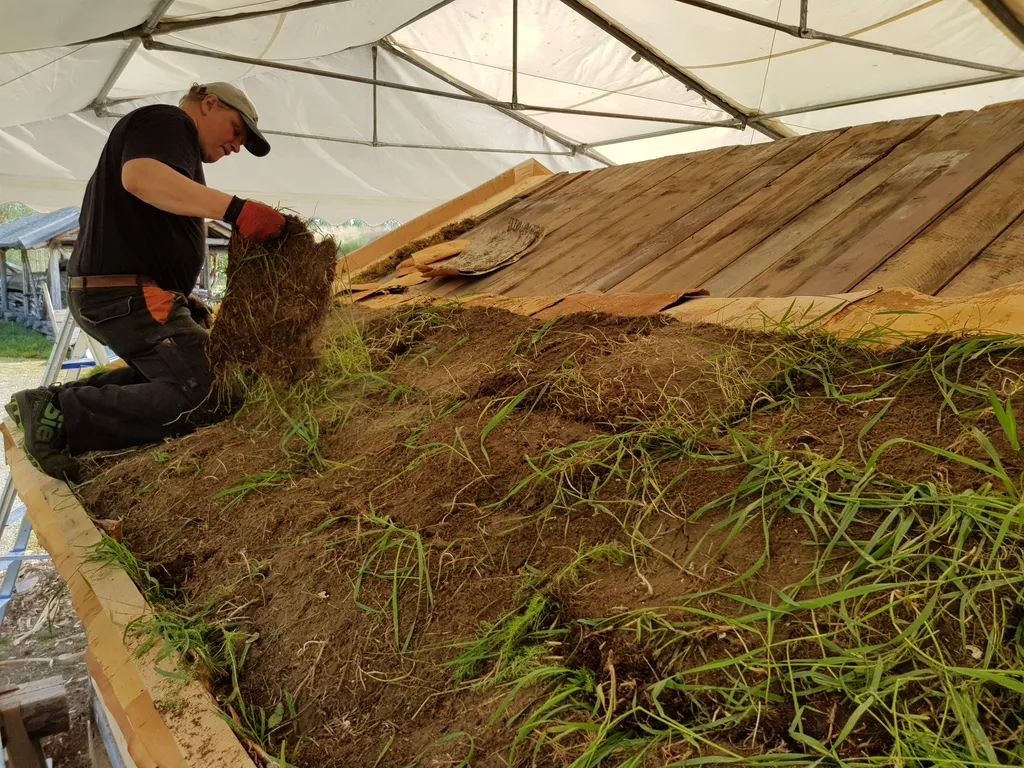
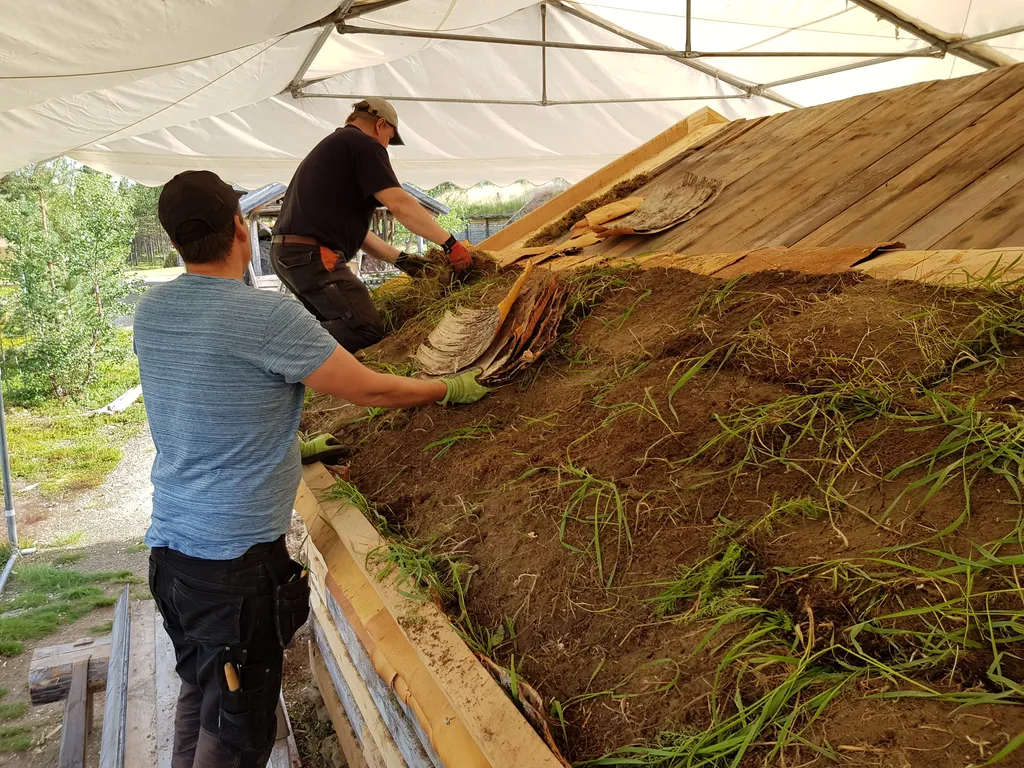
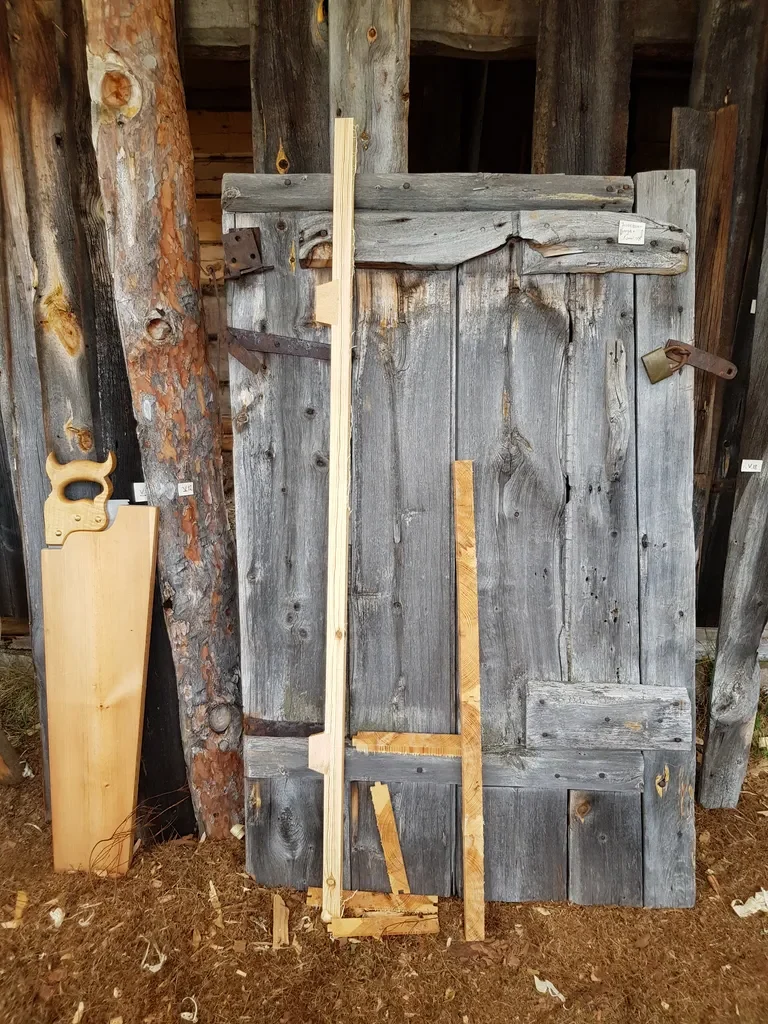
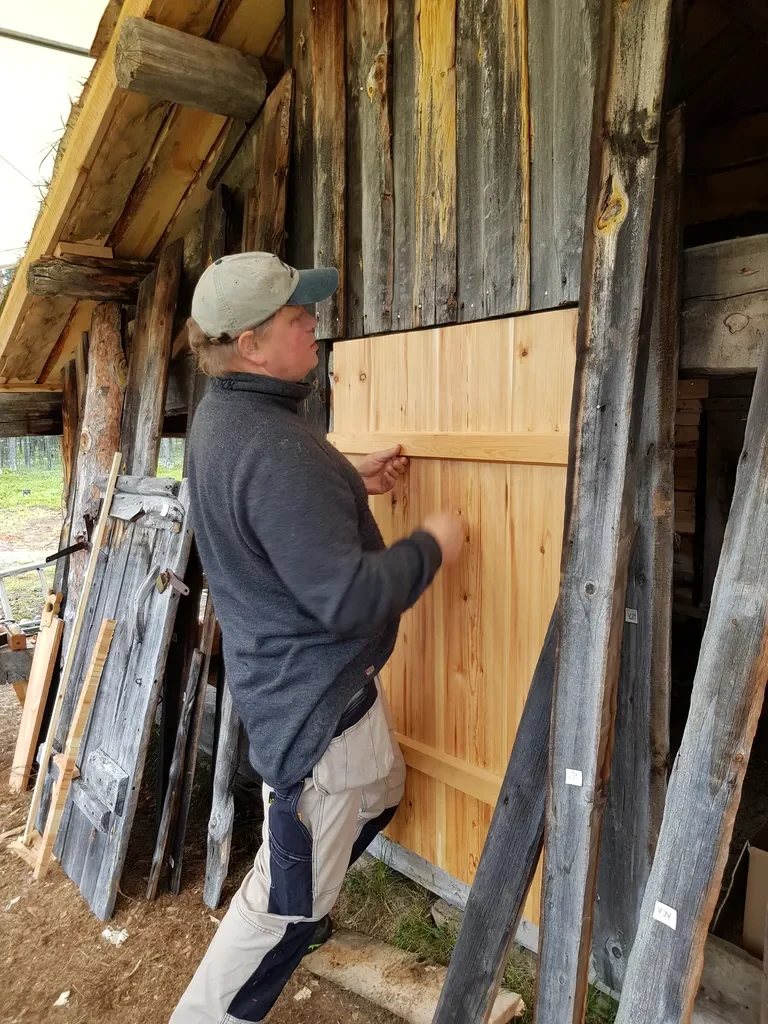
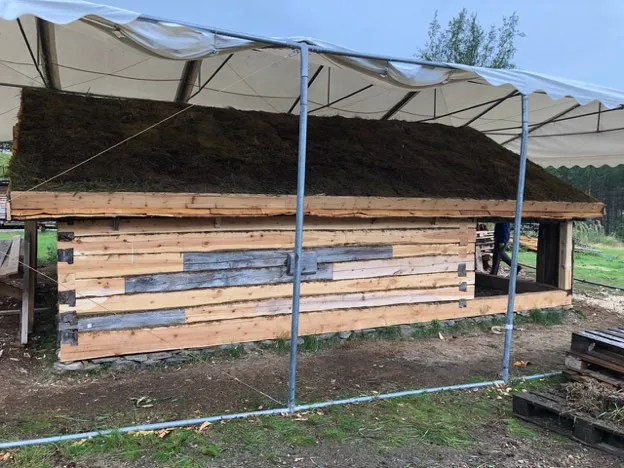
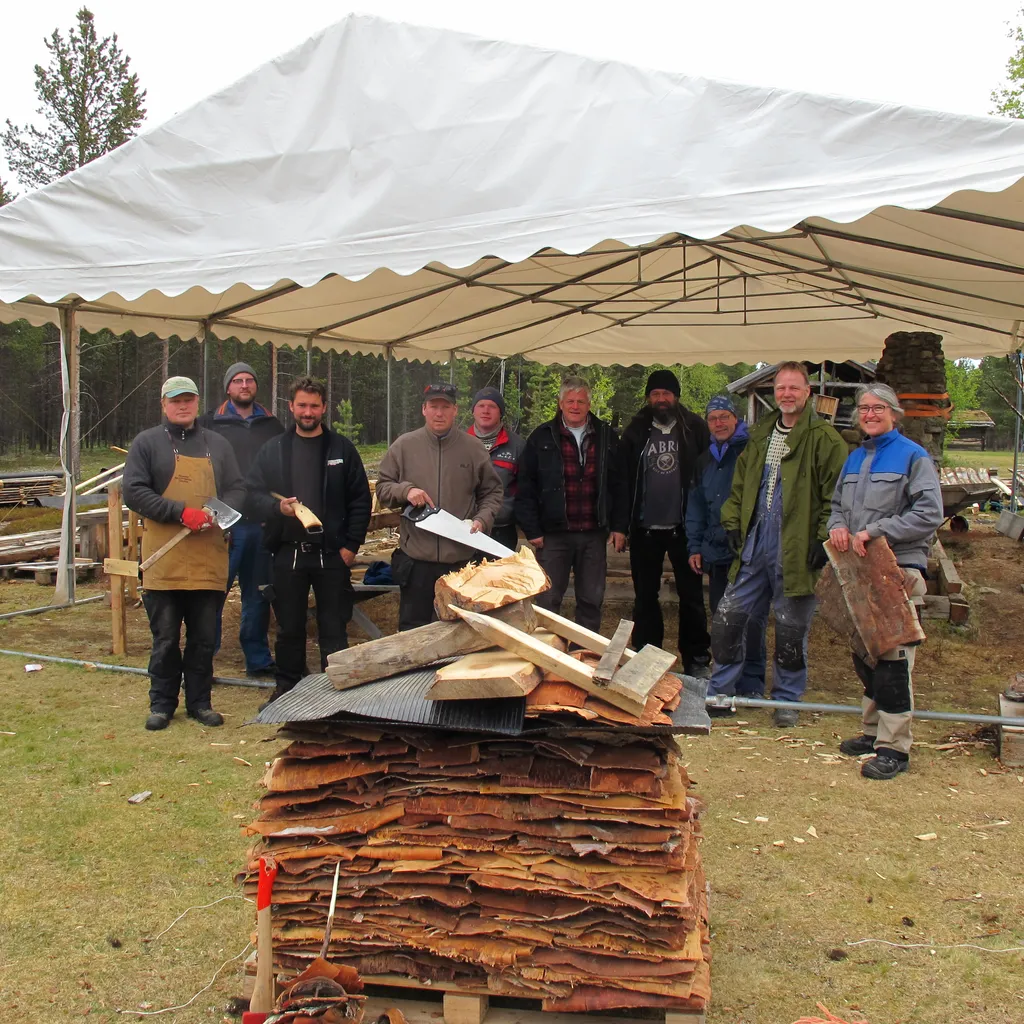
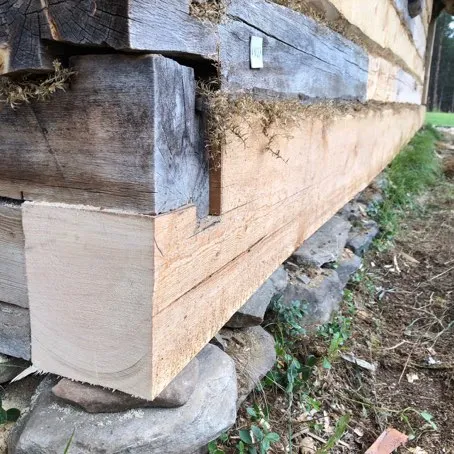
The walls and roof of the cowshed were completely repaired between 2012–2019. Restoration was done using traditional materials and techniques. The project was led and documented by Ronald Renmælo and Siv Holmin. Museum technician Bror Ivar Salamonsen, students from the vocational school in Karasjok and students from Norwegian University of Science and Technology in Trondheim participated in the restoration project.
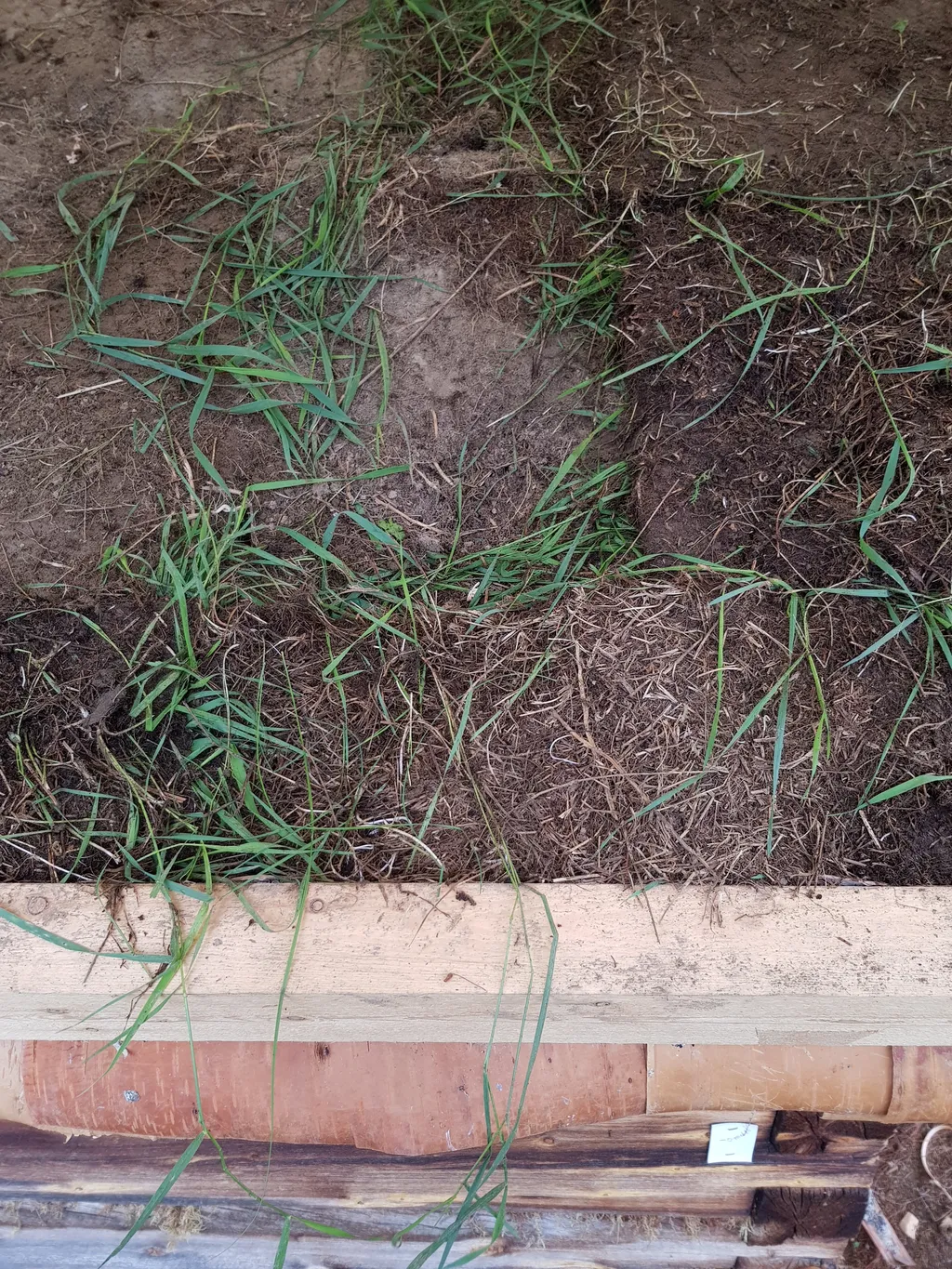
Photos of the restoration in summer 2018
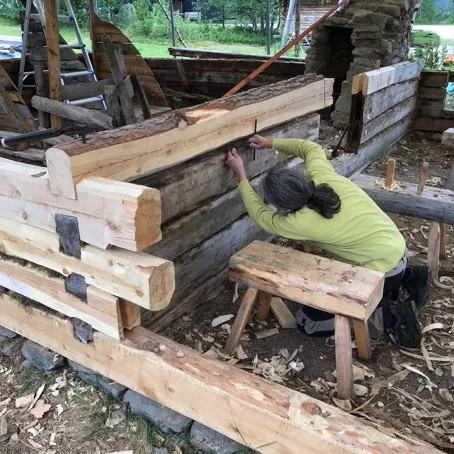
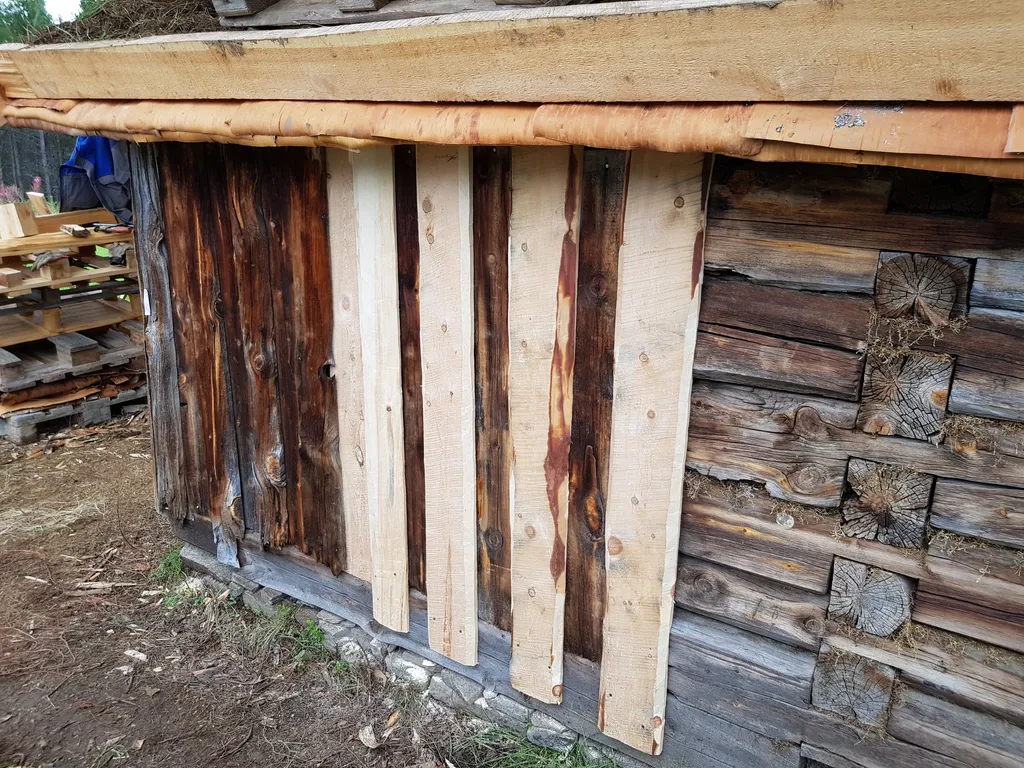
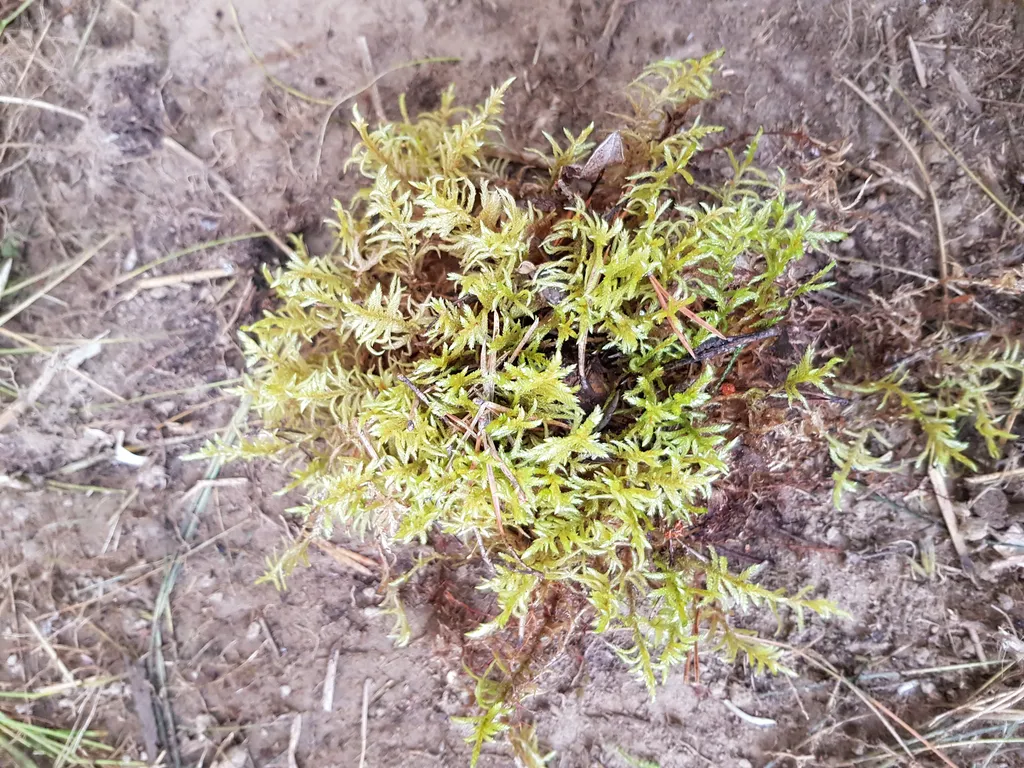
Moss was traditionally used between the logs. It absorbs moisture well and it is a great heat insulator. It also kills the bacteria.
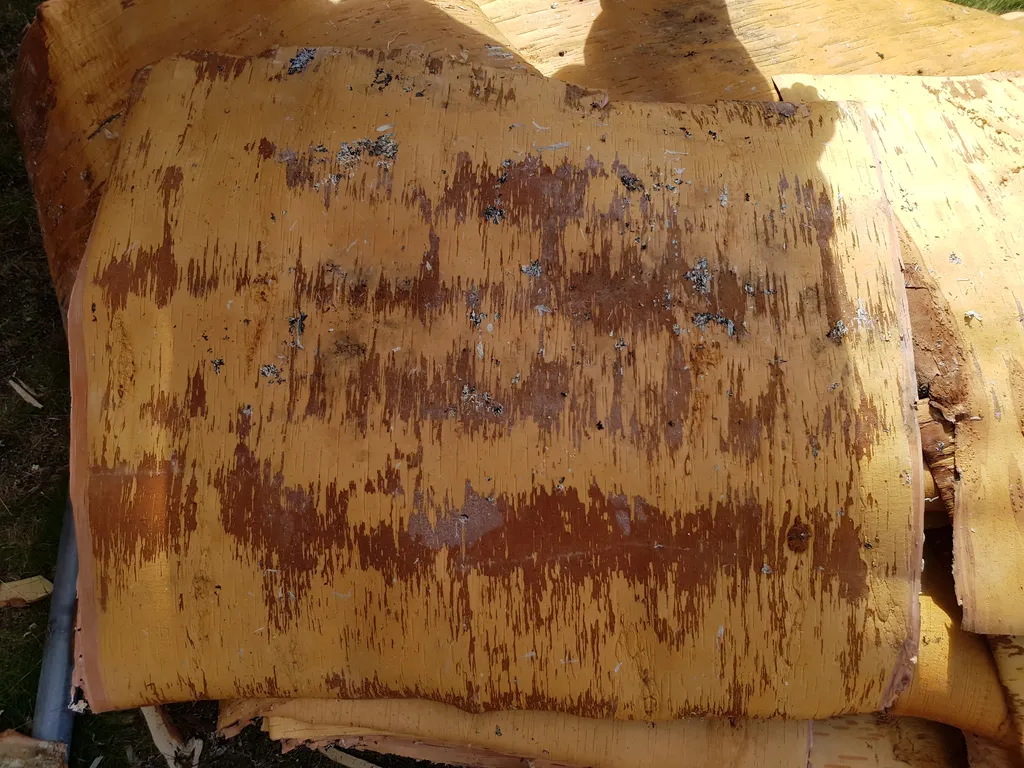
Birch bark and sod were used in roofing.