
The Kautokeino storehouse (no. 11)
History
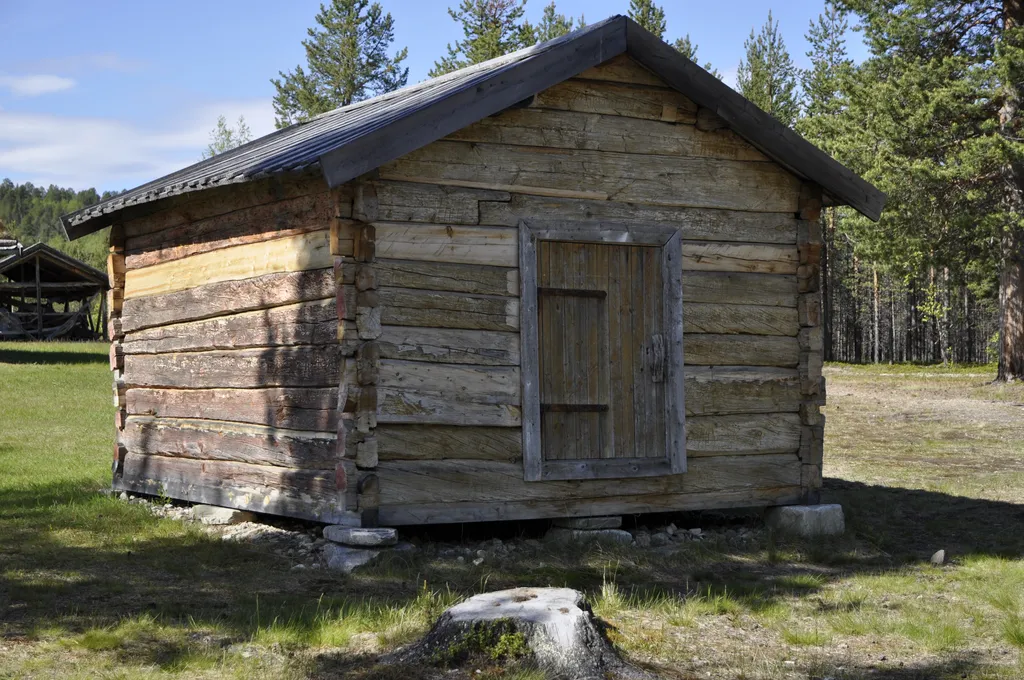
This storehouse was bought by Isak M. Buljo from Kautokeino. According to him the storehouse originally came from Karesuando in Sweden in the early19th century. Since then it was moved several times and has had many owners.
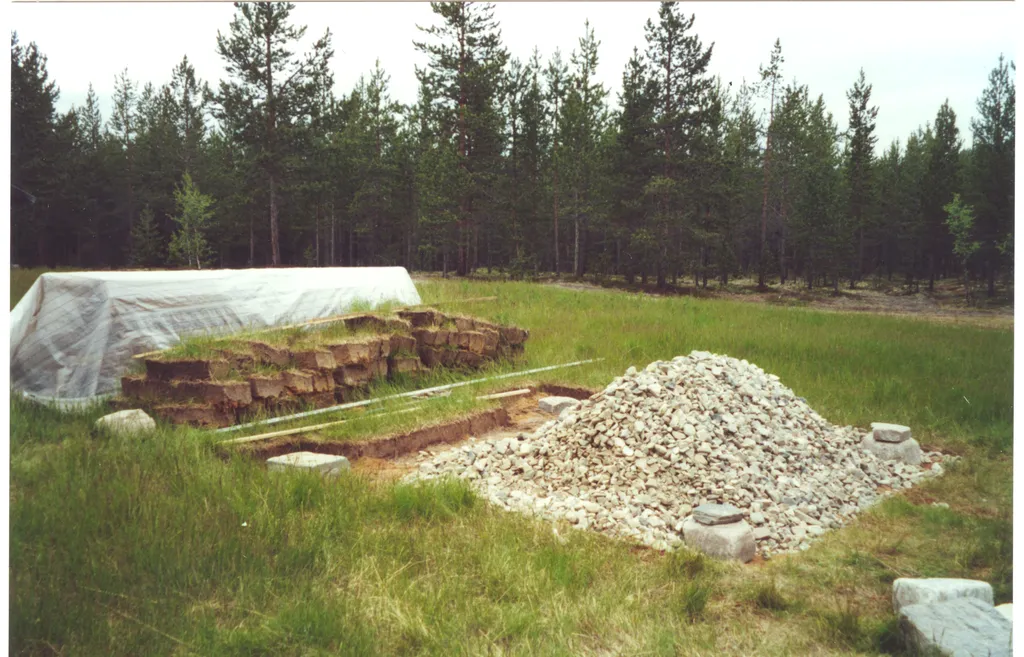
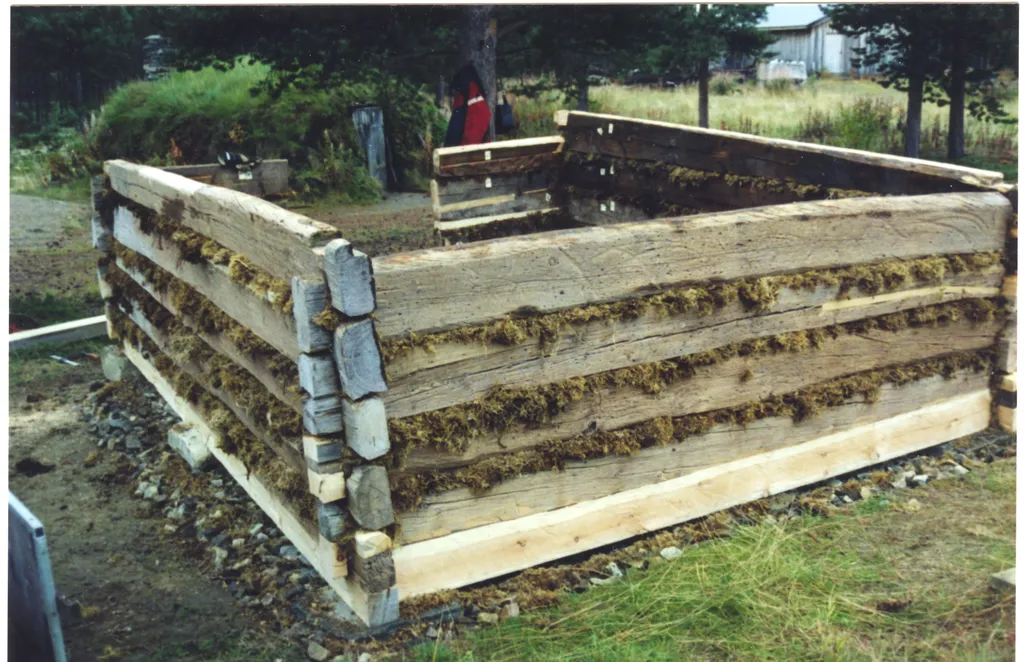
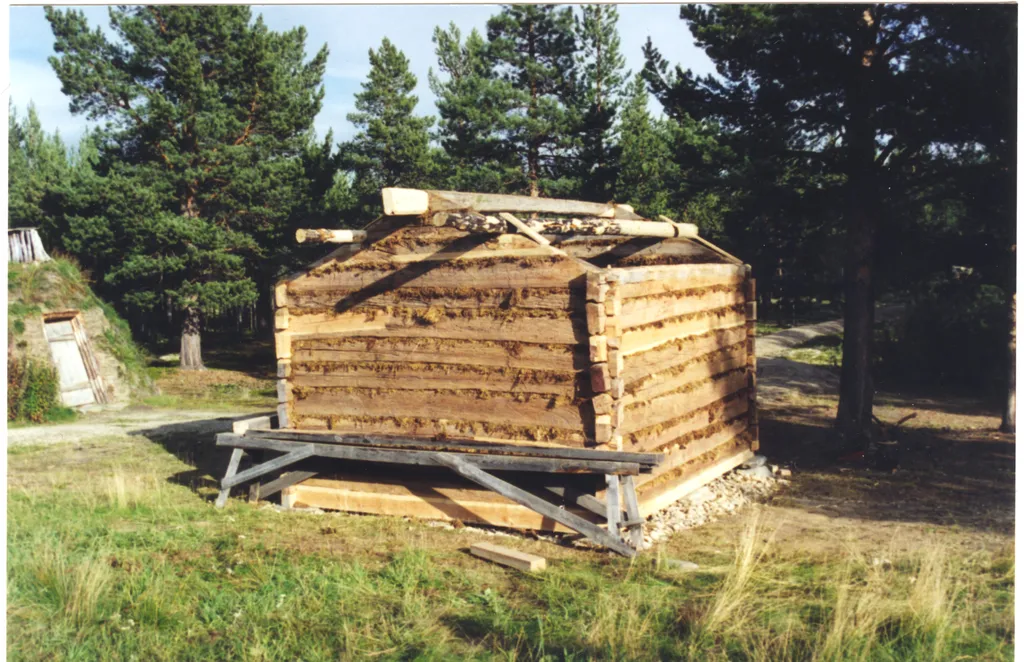
Between 2000 and 2002 the storehouse was taken apart and moved from Kautokeino to Karasjok by craftsman Jon Ole Andersen and a museum technician Thorolf Bjørnback. It was then re-erected by Aage Hegge and Thorolf Bjørnback and restored by Jon Ole Andersen.
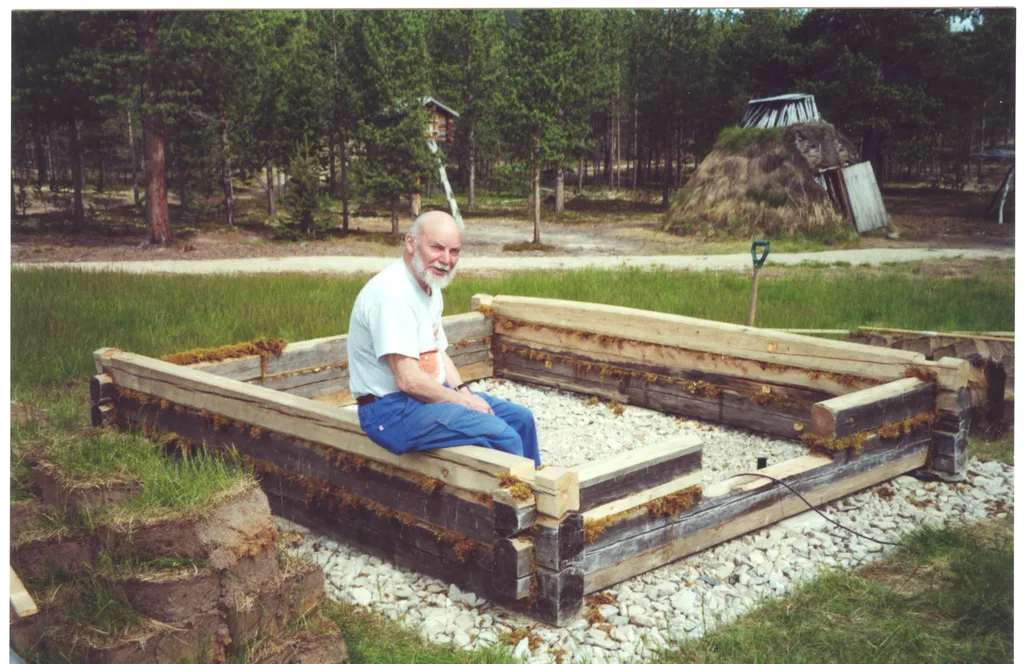
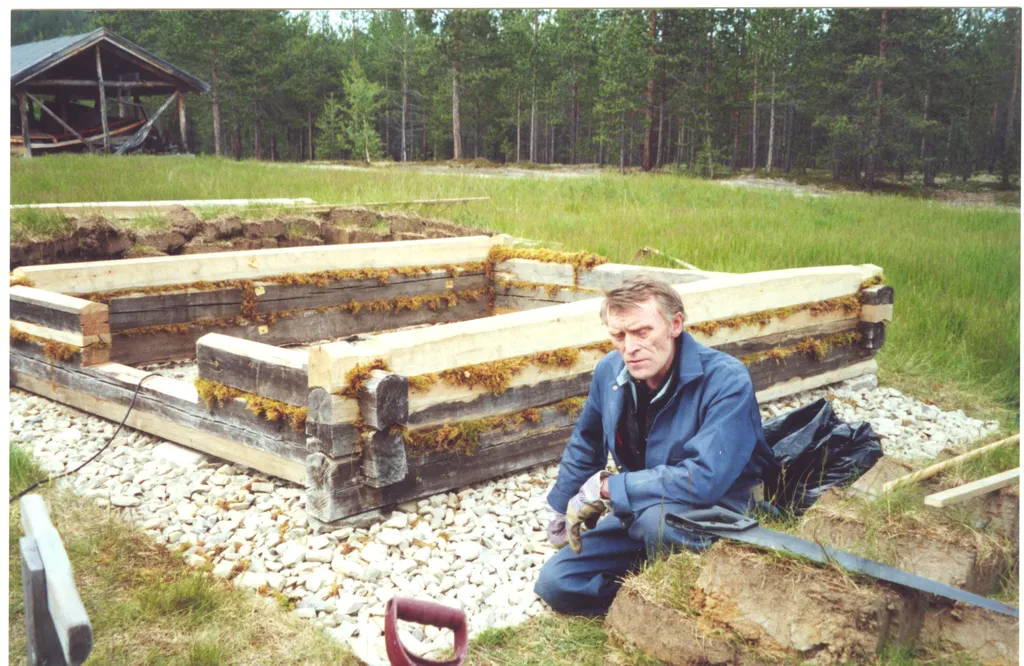
Storehouses
Storehouses were located around the farmhouse together with other farm buildings. Farms may have had several storehouses, for food and for clothes. They are log constructions with wooden roofs, about 10-12 m². During the summer people may sleep in a storehouse, especially children and youth. Migrating Sámi reindeer herders did not have storehouses.
Verddevuohta is a Sámi concept that means mutually beneficial friendship relations between farmers and other permanent residents and nomadic Sámi reindeer herders. Part of a verdde‘s role (verdde is a Sqmi word that means good friend who you help and get help from), could also be that the nomadic Sámi could have storages situated near houses of their verdde friends. Therefore, there could be 3-4 storages on the farm, together with the farm people’s own storages. The keys to the storages were left with the farmers, so that they could, for example, put the dried reindeer meat in the storage for the nomadic Sami. The nomadic Sámi reindeer herders did not have permanent dšellings or houses, and they used to leave their winter clothes, as well as the fine clothes and other things in the storage on the farm when they moved on with their reindeer herds.