
Pittfalls (1)
The Open-air Museum is situated in the area called Stáluguolbba in Sámi, meaning The Plateau of Stállu, the mythical human-like giant.
Sámi livelihood in the hunting society
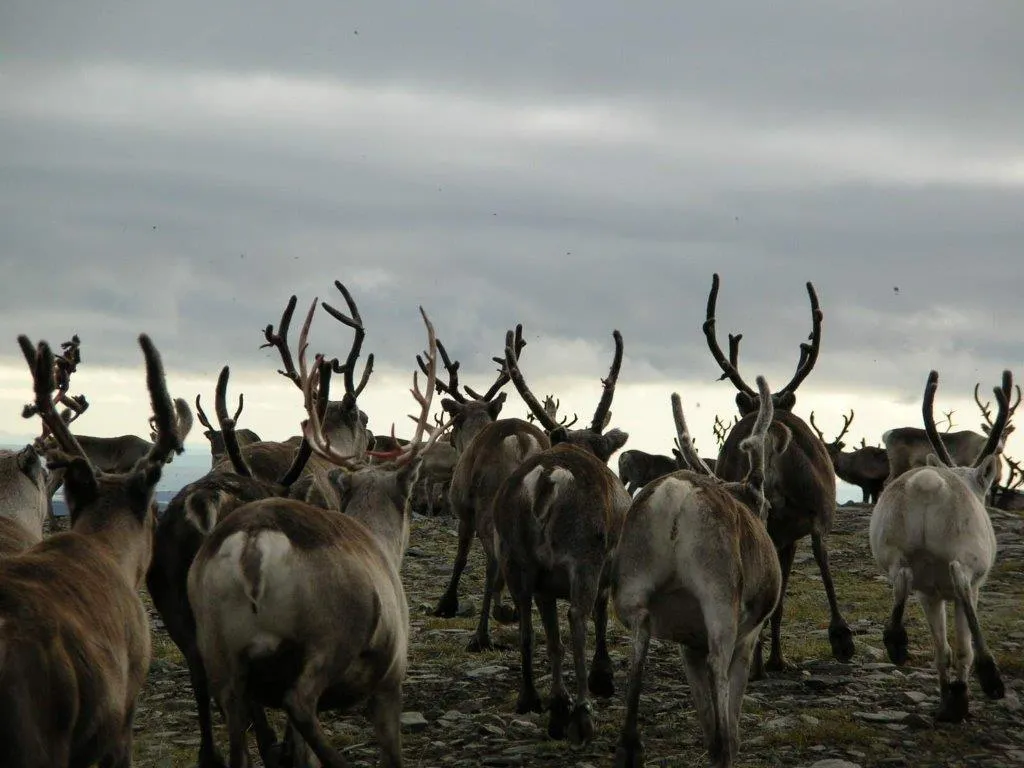
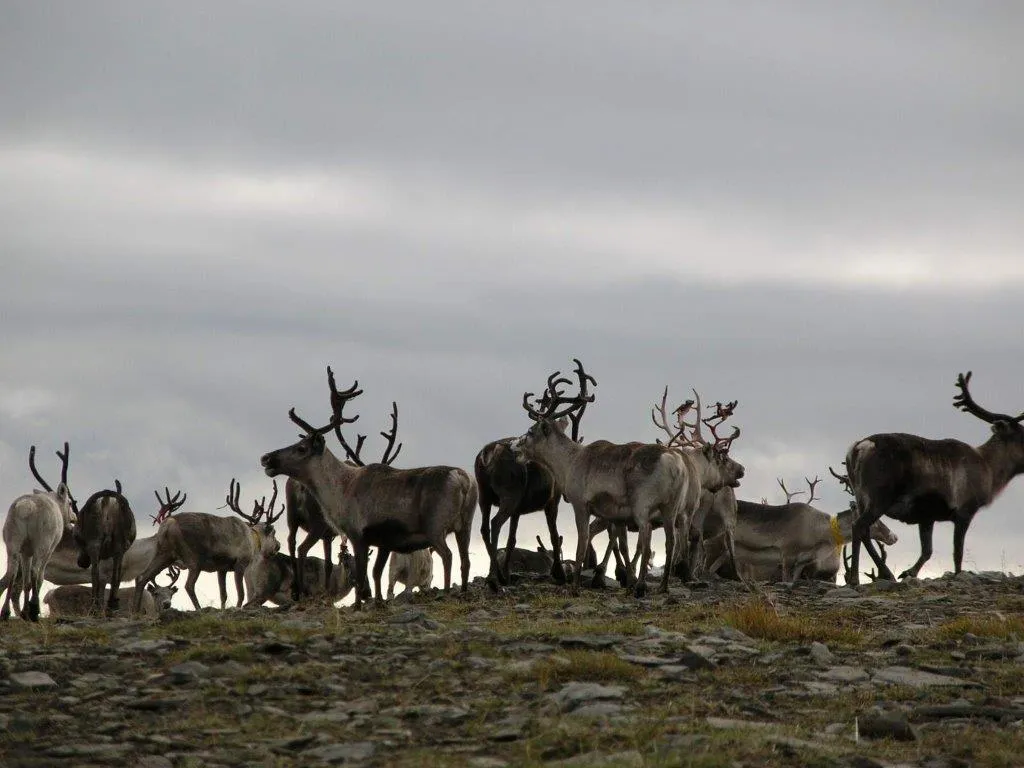
According to research and historical sources Sámis made a living by hunting, fishing and gathering. The vast area of Sápmi was rich in natural resources from rivers, lakes, mountains, woods and the sea. Hunting wild reindeer was one of the most important means of making a livelihood, providing meat, skins and other materials.
Listen to a Sámi yoik by Per Tor Turi from Karasjok, 2019
Methods of hunting wild reindeer
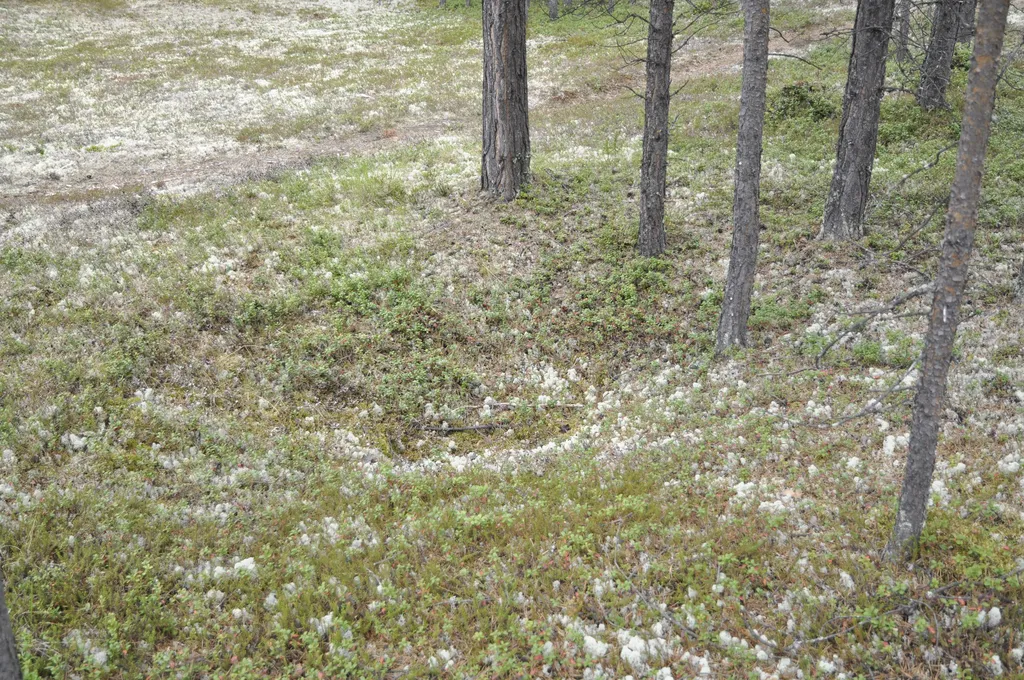
The traditional Sámi community was called a siida, composed of up to 12 families. The siida moved between several seasonal settlements in the course of a year, with specific activities at each. A siida council decided how the resources should be harvested throughout the year. Hunting methods differed according to the season and climatic conditions. In winter it could be hunting on skis or in the autumn trapping wild reindeer using pitfalls. Later, driving fences and enclosures were used to help drive the wild reindeer towards pit systems. When hunted this way wild reindeer would fall into the pits and could not get out quickly enough or at all.
The decrease of wild reindeer
Trade and taxation of the Sámis, where skin was a valuable merchandise, increased during the Viking age (800–1050) and reached a peak in the late middle ages (the 16th century). Falling skin prices, the introduction of rifles and increased colonization of Sápmi led to the change from hunter-gathering to nomadic reindeer herding.
The number of pitfalls
At least 10 000 pitfalls have been documented in the Sámi area. Normally they are organized in larger pitfall systems. Most of the pitfalls were used to hunt wild reindeer but some of the larger pitfalls are assumed to have been used to catch moose.
Effective hunting with pitfalls
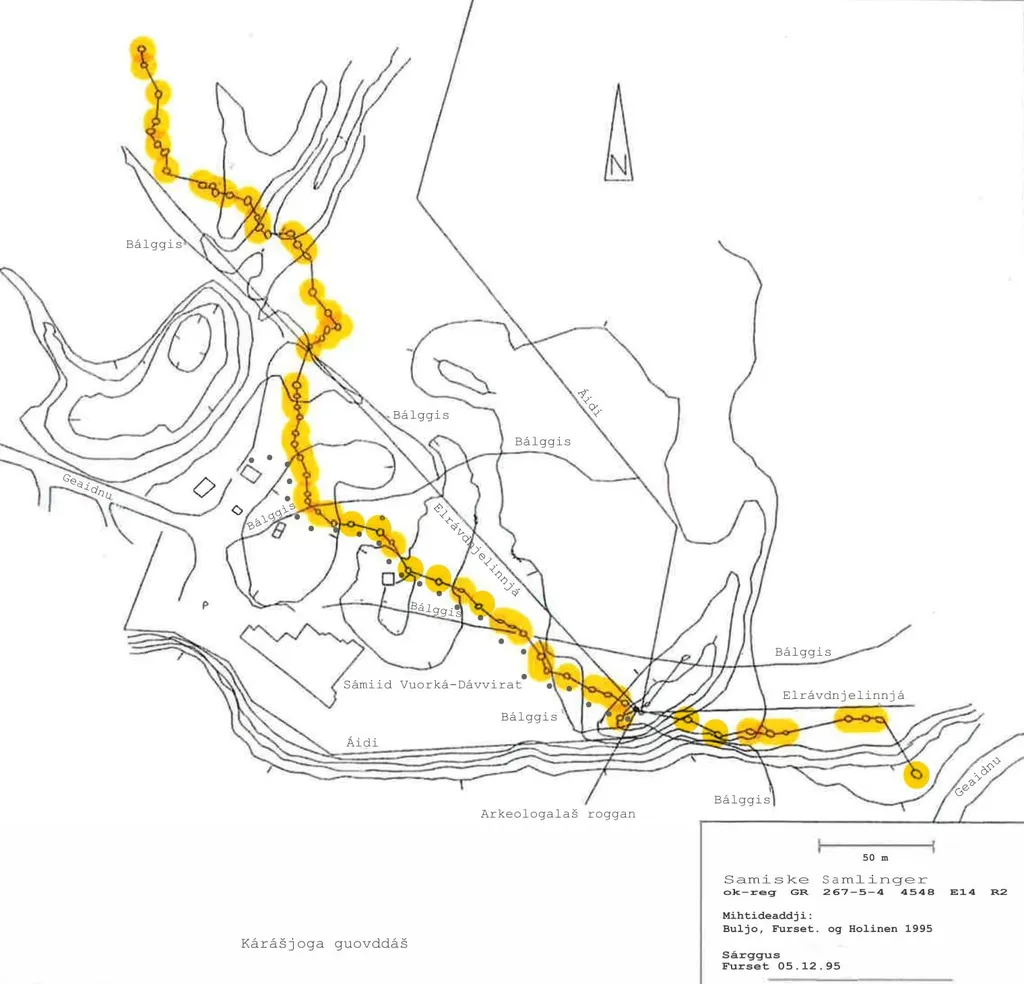
Pitfall hunting was very effective especially in the autumn because of the rutting season from mid-September to mid-October. During that time reindeer gather together and were therefore easier to catch. Pitfalls were placed in rows near lakes and rivers. In traditional Sámi areas, the largest single system with 550 pitfalls is located at Gollevárri, between Deatnu/Tana and Várjjat/Varanger. The whole area has 3000 pitfalls in total. Also traditional Sámi huts and places of worship have been found there.