
HISTORY
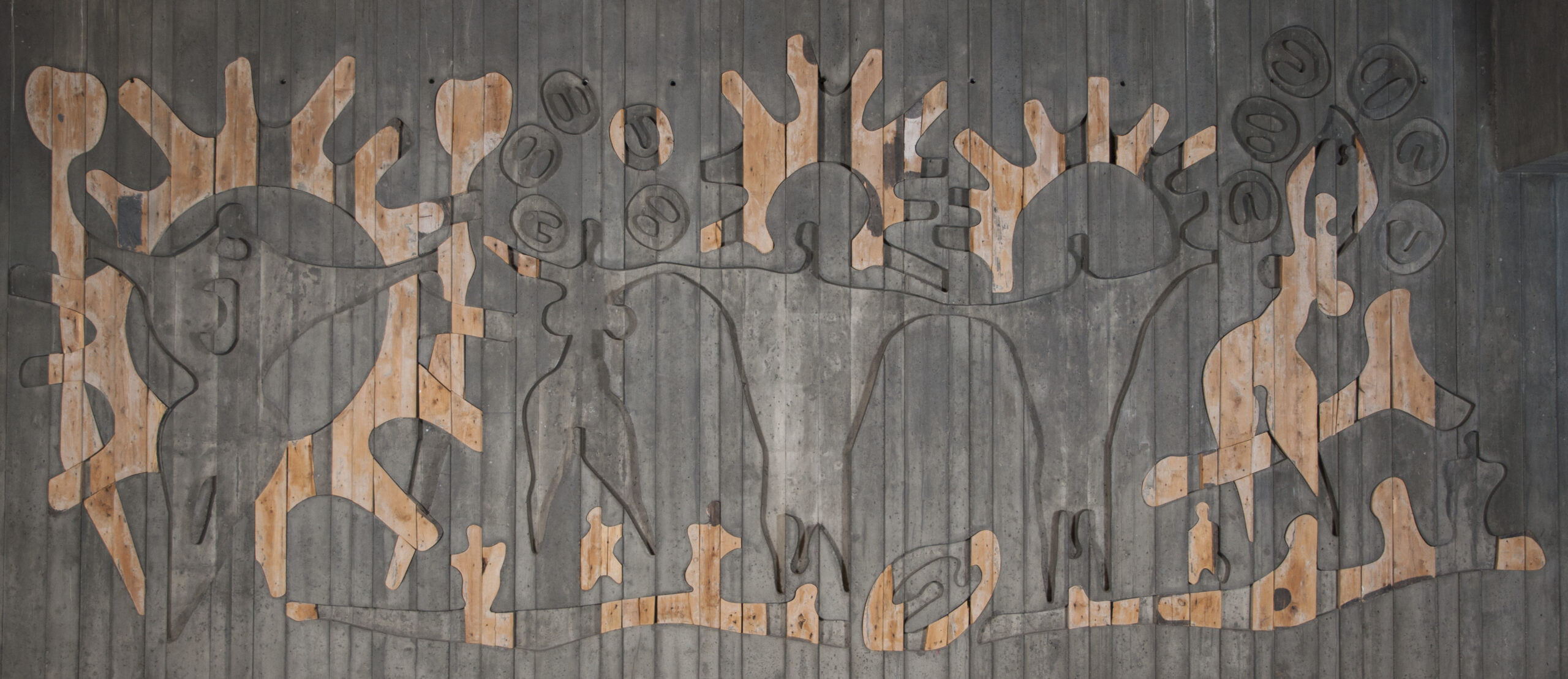
Sámi Dáiddamagasiidna has its roots in the development of the Sámi art field. The collection originates from the establishment of the SámiidVuorká-Dávvirat/ Sámi Museum in 1972 as both the first Sámi cultural institution in Norway and the foundation of the RiddoDuottarMuseat consortium of museums. From the beginning, the Sámi art collection benefitted from Arts Council Norway support to acquire mainly duodji works. However, the collection also began acquiring works from artists that would create the influential Sámi Dáidujoavku (SDJ- Sámi Artists’ Group) in 1978 and later form the Sámi Dáiddačehpiid Searvi (SDS – The Sámi Artists’ Union) in 1979. These contemporary artworks by Sámi Dáidujoavku members were the first acquisitions purchased directly by the museum, broadening the collection’s scope and commitment to Sámi artists.
The relationship between the collections department and Sámi artists laid an important foundation for the visibility and institutionalization of Sámi art. To this day, the collections department maintains a spirit of collaboration with local art spaces, including the Sámi Dáiddaguovddáš (SDG – Sámi Center for Contemporary Art) established in 1989 as part of the legacy of the Sámi Dáidujoavku (SDJ – Sámi Artists’ Group).
Over time, the art collections department became a separate unit, initially as a three-year project position from 1998 to 2001. In 2002, it was formalized as a core department for managing the rapidly expanding collection. Today, Sámi Dáiddamagasiidna consists of three staff members: the head of department, collection manager, and curator, in preparation for the long-anticipated creation of a new Sámi Art Museum.
MISSION
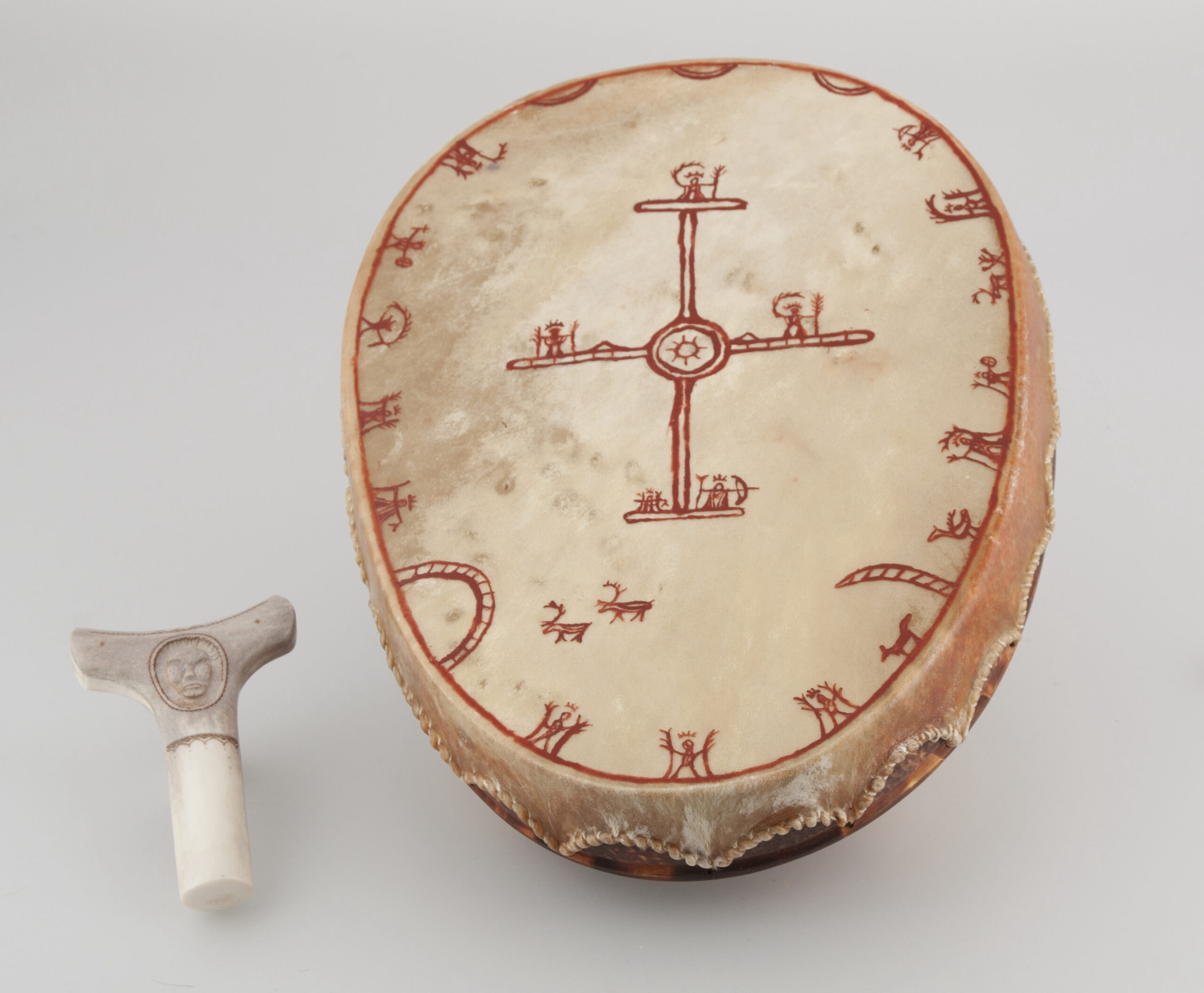
The dissemination of Sámi art is central to the department’s mission. Dissemination takes place through research access, publications, and the lending of works for local, national, and international exhibitions.
Sámi Dáiddamagasiidna holds a central role in facilitating access to the collection while the museum is closed in preparation for new construction.The department hosts visiting scholars and community members wishing to study archival materials by appointment. Artworks will continue to beregularly exhibited at the Sámediggi /Sámi Parliament in Karasjok. Works from the collection can also be seen at RiddoDuottarMuseat’s institutions throughout Finnmark county, including the Porsanger museum’s Art Arena in Lakselv and Guovdageainnu gilišillju/Kautokeino Municipal Museum. Worksand archival materials are also made available toward disseminating projects at collaborating institutions, such as universities and the DigitaltMuseum where Sámi Dáiddamagasiidna publishes a rotating selection of 50 artworks every year as part of a common database for Norwegian and Swedish museums and collections.
ACQUISITIONS
Over time, the collection has evolved to encompass a wide range of artistic expressions. Acquisition schemes crucial to building the collection were initially through Arts Council Norway and later transferred to the Sámi Parliament in 1992.

Today, Sámi Dáiddamagasiidna administers yearly additions purchased through the Sámi Parliament’s art purchasing scheme: a committee hired at two-year intervals by the Sámi Parliament. The committee consists of four Sámi artists, two managers, and two deputy members tasked with leading the purchasing of Sámi contemporary art and dáiddaduodji throughout Sápmi.